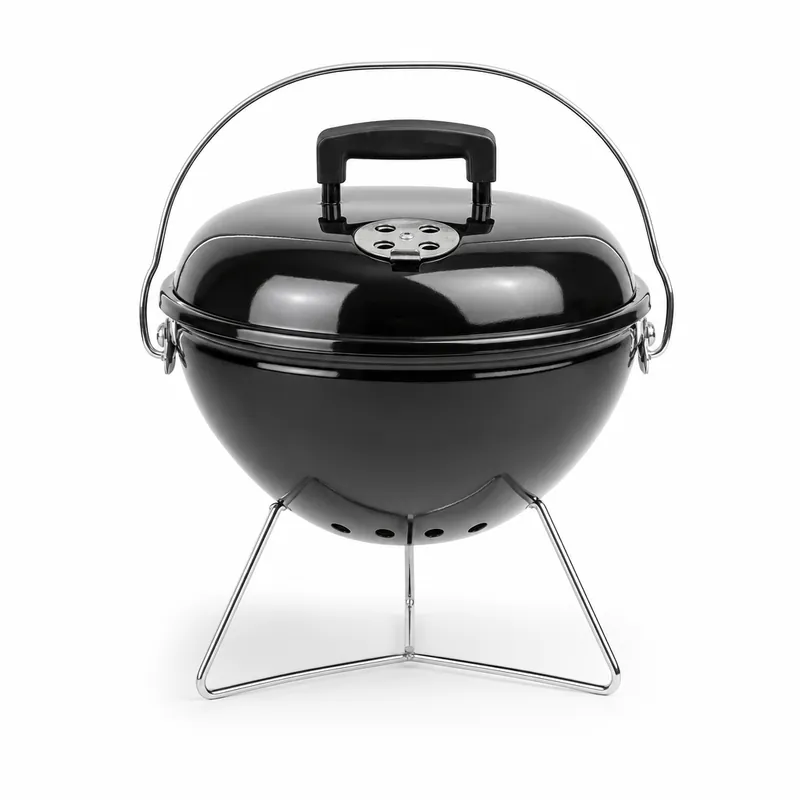
Best on a budget
Weber Smokey Joe Premium
A small, light kettle for a batch of sardines wherever charcoal is allowed.
See it on amazon.co.uk*Recipe
On the beaches around Málaga, sardines are threaded onto a skewer, planted in the sand at an angle and cooked by the heat of an olive-wood fire – that is an espeto. You can get the same smoky, salty result at home on a charcoal or gas grill. Here is the method, step by step.
Salt the fish generously, oil it lightly and cook it over steady, hot embers or a medium-high grill without moving it too early: sardines need about 2–3 minutes per side, a 1 lb (450 g) sea bream about 6–8. It is done when the flesh is opaque and pulls away from the bone; USDA guidance is 145°F (63°C) at the thickest part. Serve with lemon, parsley and good Spanish olive oil.
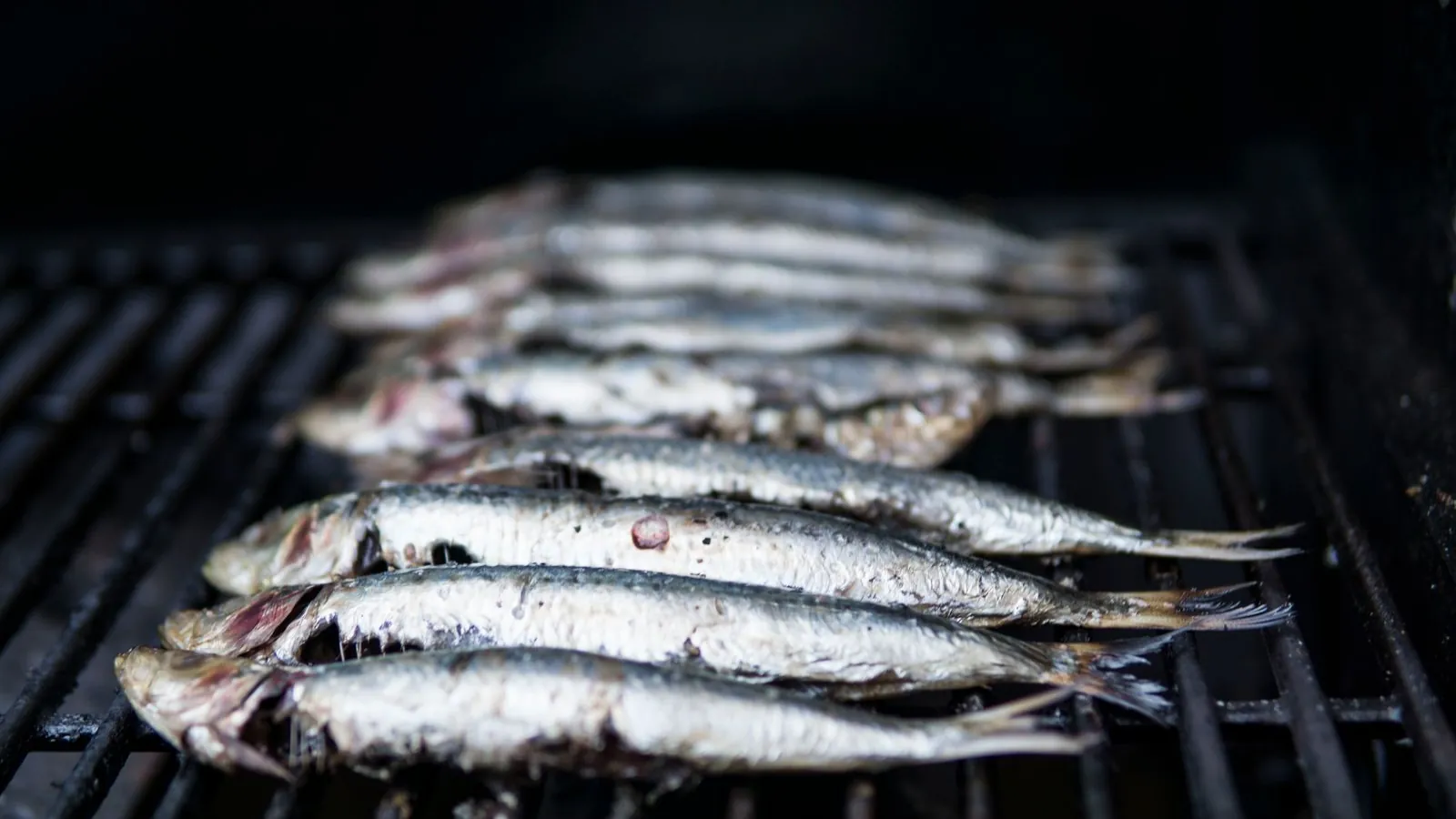
Espeto means skewer, and on the Costa del Sol it stands for one dish above all: espeto de sardinas. At the beach bars of Málaga, the espetero threads a row of sardines onto a skewer, pushes it into the sand at an angle beside a wood fire – traditionally olive wood, often burning in a small boat filled with sand – and turns it once. The fish never sits over the flames. It cooks in the radiant heat at the side of the fire, which crisps the skin, melts the fat under it and leaves the flesh juicy, with a breath of smoke.
The method suits other small, oily fish just as well, and the idea behind it – plenty of salt, steady heat, patience – works for larger whole fish on an ordinary grill.
Buy them whole and as fresh as you can: clear, bulging eyes, bright red gills, firm flesh that springs back when pressed, and a clean smell of the sea.
Sardines can go onto the skewer as they are – many beach bars grill them ungutted. Gutting gives a cleaner, less bitter taste and takes seconds with your thumb or a small knife; the loose scales rub off under cold running water.
Sea bream and sea bass need more care. Scale them from tail to head with the back of a knife or a fish scaler – outdoors, or inside a large plastic bag, because scales fly – then gut, rinse and pat completely dry. Cut two or three shallow slashes into each side so the heat reaches the thickest part. A short, sharp blade does all of this; a proper fillet knife is only needed if you also fillet fish for other dishes.
Salt generously with coarse sea salt, inside and out, shortly before cooking. Dry skin and plenty of salt are what make the skin crisp and keep it from sticking. Tuck lemon slices and parsley stalks into the belly of larger fish.
At home, a fire pit or fire bowl stands in for the beach. You need a bed of hardwood embers with a little live flame, and a way to stand the skewers at an angle beside it: a tray or bucket of sand, or a couple of bricks to lean them on.
Light hardwood – olive, oak or beech – and let it burn down to strong, glowing embers with some low flame. Charcoal works too, with less aroma.
Push flat metal skewers through the sardines just below the backbone, so the fish cannot spin, and leave a little space between them.
Stand the skewers at an angle facing the embers, close enough that you can hold your hand there for only a few seconds. The fat should sizzle, not flare.
When the skin facing the fire blisters and the eyes turn white – a few minutes for sardines – turn the skewers to cook the other side.
Sprinkle with a little more salt and eat with your fingers, the Málaga way, with lemon and bread.
Choosing a pit for this? Our guide to the best smokeless fire pits compares the options.
Set the fire pit on a non-flammable surface, well away from walls, railings, wooden decks, hedges and overhanging branches; your local fire code may set a minimum distance. Never light a fire or a charcoal grill indoors, under a roof or in an enclosed space such as a garage or a tent: burning wood and charcoal give off carbon monoxide, which you cannot see or smell. Never leave the fire unattended, keep water or a bucket of sand within reach, and put the embers out completely before you leave. Many beaches, in Spain as elsewhere, ban open fires or allow them only in marked areas or with a permit – the espeto fires of the beach bars belong to licensed businesses. Check the local rules first, and never bury hot embers in the sand, where they stay hot long after the flames are gone.
Scrub the grate, then heat the grill to medium-high with the lid closed. On charcoal, bank the coals to one side so you have a hot zone and a cooler one.
Wipe the hot grate with an oiled paper towel held in tongs, and brush the fish lightly with olive oil.
Put the fish across the bars at an angle and leave it alone. It sticks at first, then releases once the skin has crisped.
Slide a wide spatula under the fish – two for a large bream – and turn it in one confident move. A fish basket makes turning easy and holds sardines in a neat row.
For thicker fish, move to the cooler side or turn the gas down and close the lid for the last minutes, so the inside cooks before the skin burns.
As a guide, sardines need about 2–3 minutes per side and a 1 lb (450 g) sea bream about 6–8 minutes per side. A small kettle such as the Weber Smokey Joe handles a batch of sardines or one bream; for two bream at once, an 18-inch kettle or a gas grill with a lid is more relaxed. Our portable grill guide compares them.
Look and touch first: the flesh turns opaque all the way to the bone, the dorsal fin pulls out with almost no resistance, and the flesh lifts cleanly from the backbone when you test it with the tip of a knife. For certainty, push an instant-read thermometer into the thickest part, close to the bone but not touching it. USDA guidance for fish is 145°F (63°C). Sardines are so thin that the look test is usually enough.
Salmon fillets for a crowd are easier on a cedar plank: nothing sticks, nothing needs turning. More fish recipes and gear are in Barbecue & Grilling.
Recipe
Times depend on the fire, the wind and the size of the fish; trust the bone test and the thermometer more than the clock.
Matching products
A grill or fire that holds steady heat and a sharp knife for the prep are all you need.
Best on a budget
A small, light kettle for a batch of sardines wherever charcoal is allowed.
See it on amazon.co.uk*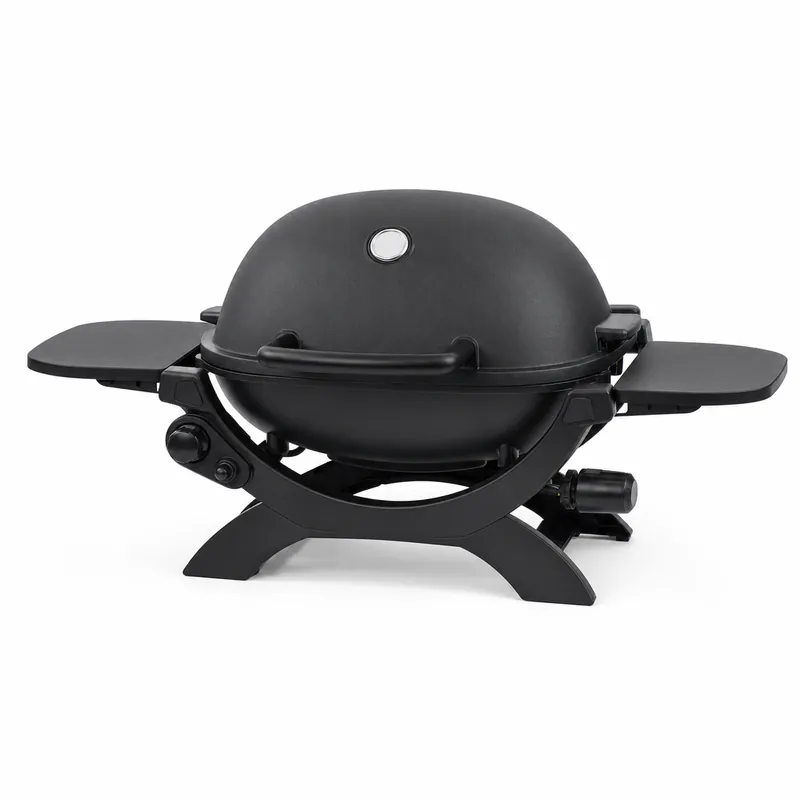
Best overall
Gas with a lid: even heat for bream and bass on the patio or at the campsite.
See it on amazon.co.uk*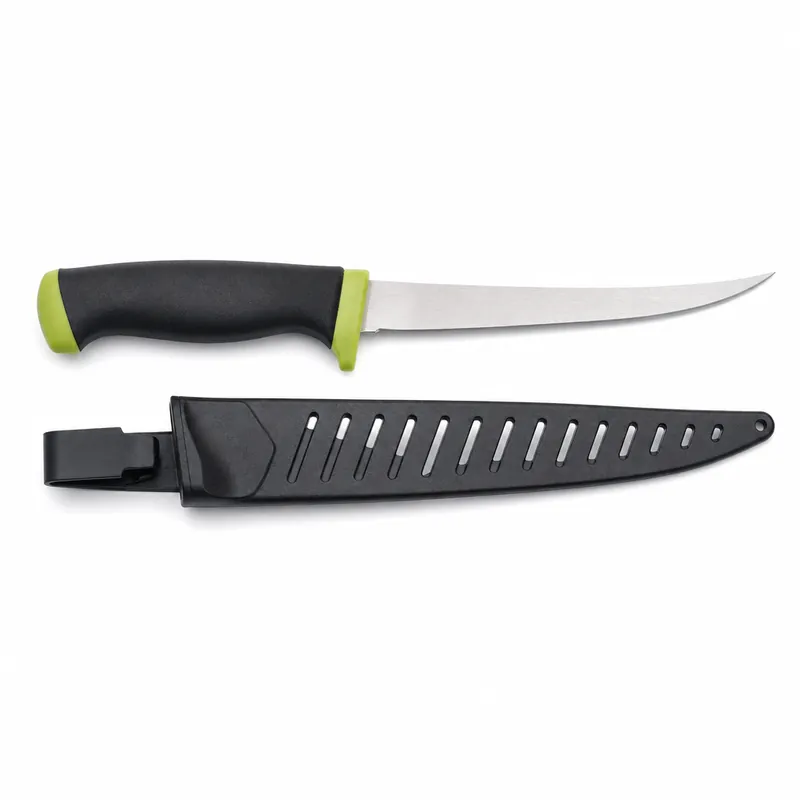
Best grip when wet
A flexible blade with a rubber grip for gutting and trimming wet fish.
See it on amazon.co.uk*It's optional; many Andalusian beach bars grill them whole. Gutting gives a cleaner, less bitter taste.
Scale larger fish such as bream or bass; sardines can go on as they are, because their loose scales rub off under running water.
The flesh turns opaque and pulls easily from the bone; a thermometer should read 145°F (63°C) at the thickest part, as USDA guidance recommends.
Dry skin, salt, a clean, hot, well-oiled grate – and patience: leave the fish alone until it releases. A fish basket takes the risk out of turning it.
This page describes the espeto of the Málaga coast and standard grilling technique as a method; cooking times are a guide, because fire, wind and fish vary. The safe internal temperature follows USDA guidance for fish. Grill and knife details come from the manufacturers' product pages.
Our pick: Weber Smokey Joe Premium
Check price*