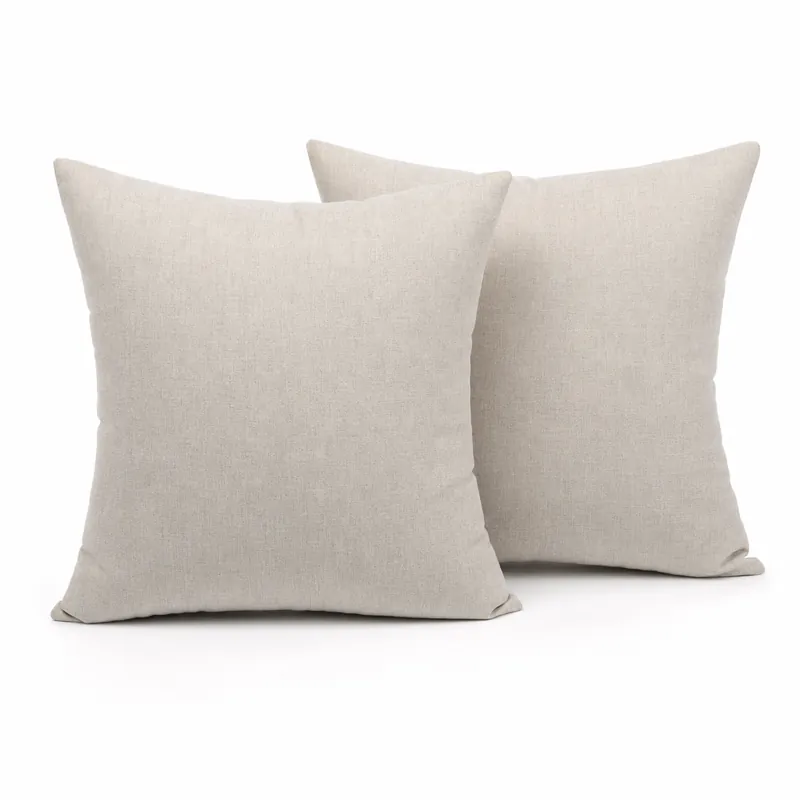
Best linen look
MIULEE Linen-Look Covers
Small budget: linen-look covers in sand, white and sea-glass tones.
See it on amazon.com*Style guide
Modern coastal decor keeps what's good about a beach house – light, air, natural textures – and leaves out the themed clutter. The result feels calm all year, whether you live by the ocean or simply want your home to feel like it.
Start with a base of warm white and sand, add one or two sea tones and a single dark accent, then let texture do the rest: linen, jute, rattan, light oak and stone. Keep furniture low and simple, light the room through woven shades, and leave out anything with an anchor on it. The quickest first step is a set of linen-textured throw pillows.
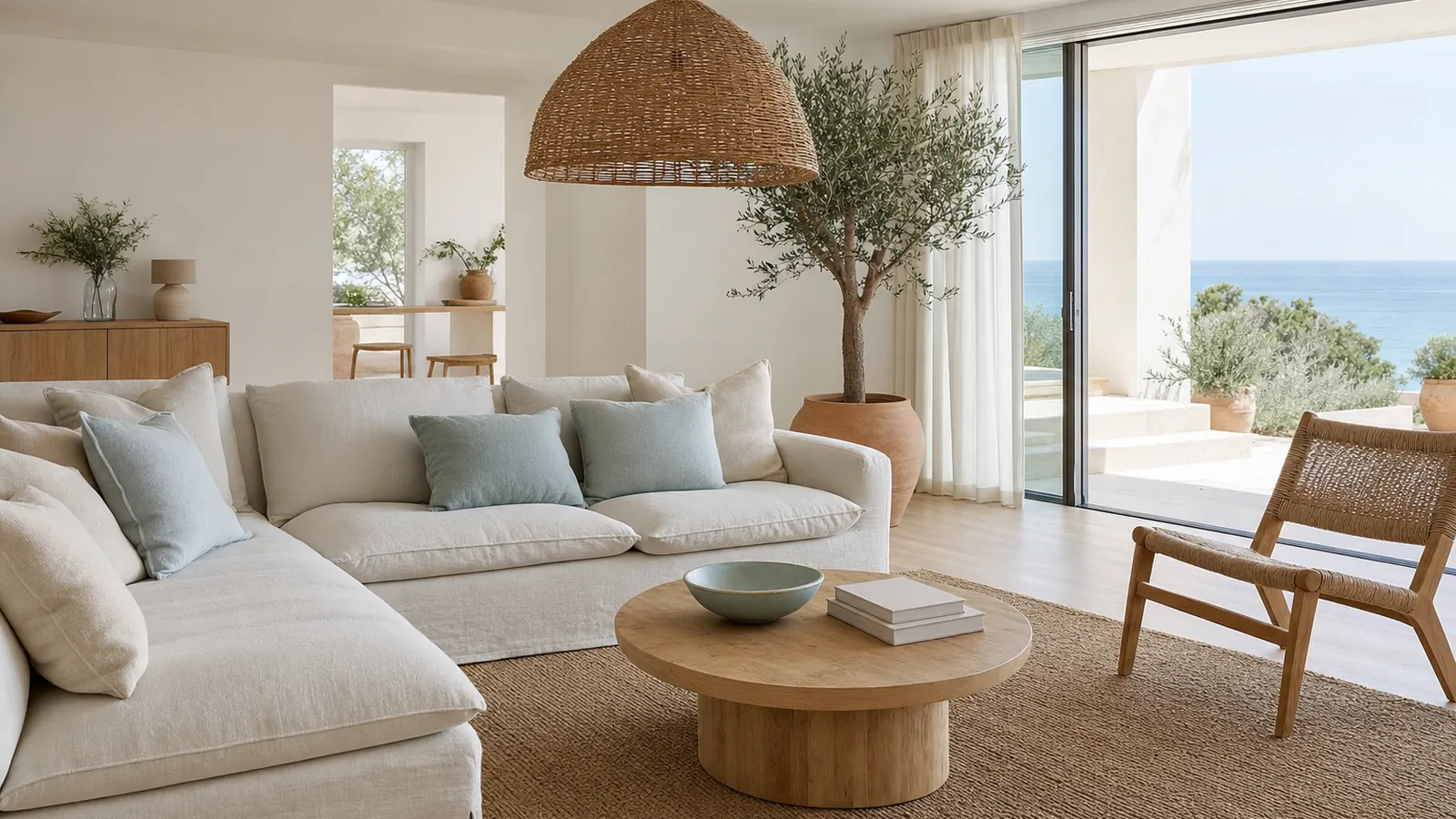
Classic beach-house decor tells you where you are: a ship's wheel on the wall, a sign that says “beach”, shells in every bowl. Modern coastal does the opposite. It borrows the conditions of the coast – bright light, bleached colors, materials that weather well – and leaves the souvenirs at the beach. Rooms are pared back, lines are clean, and the interest comes from texture rather than motifs.
That is also why the style works all year and far from the sea. A room built on linen, wood and soft color feels as right in a city apartment in midwinter as in a summer cottage. If you have a patio or a balcony, the same rules carry outside – see our coastal patio ideas.
Think of the palette as a beach seen from the dunes: mostly pale, with darker notes where the water is.
Get the materials right and the color almost takes care of itself. Aim for at least three natural textures in each room – a nubby jute rug, a smooth oak table, a crumpled linen pillow – and repeat each of them somewhere else, so the room reads as one.
| Material | Where it works | Watch out for |
|---|---|---|
| Linen | Slipcovers, pillows, curtains, bedding | It creases by nature; linen-look polyester is the low-care stand-in |
| Jute and sisal | Large rugs, baskets | Jute is soft but sheds and dislikes spills; sisal is tougher underfoot |
| Rattan, cane and seagrass | Pendant shades, chairs, headboards, baskets | Natural fibers belong indoors; outside, use all-weather synthetic wicker |
| Light oak, ash and teak | Tables, sideboards, frames | Orange-toned pine pulls the palette away from sand |
| Stone, terracotta and ceramics | Floors, side tables, vases, lamp bases | High-gloss finishes look less coastal than matte or hand-glazed ones |
Outside, the materials also have to survive salt air. Teak, powder-coated aluminum and recycled plastic last; bare steel rusts. Our teak guide explains how to buy and care for the classic coastal wood.
Modern coastal furniture sits low and looks relaxed: deep sofas with loose or slipcovered cushions, rounded armchairs, oval or round coffee tables in wood or stone, benches instead of heavy chests. Visible legs help, because seeing floor underneath makes a room feel lighter.
Leave space. A coastal room needs fewer pieces than you think, and one generous piece – a big sofa, a long table – feels calmer than several small ones. Before you add anything purely decorative, ask whether the room would miss it.
Coastal rooms are about daylight, so keep windows bare or dress them in sheer linen. After dark, use several soft sources instead of one bright one: a woven pendant in rattan, seagrass or raffia over the dining table for patterned light, linen drum shades on the table lamps, and warm-white bulbs so the room never feels clinical.
Pair woven shades with plain bases in ceramic, wood or matte black, and keep metal finishes to one or two – aged brass and black both work.
Art is where coastal rooms most often tip into theme. Instead of nautical objects, look for abstract seascapes and horizon lines, soft photographs of water or dunes, prints of beach grasses and simple line drawings. One large piece reads better than a cluster of small ones; frame it in natural wood or with a wide white mat.
Accents work the same way: a stack of linen napkins, a large glass jar, an olive-wood bowl, one piece of hand-thrown pottery. Collect them slowly and edit often.
Along the Mediterranean, coastal style was never about seashell decor. It grew out of heat, strong light and local materials. For a version with more warmth and a little history, borrow from the houses of Andalusia, the Greek islands and the south of France.
You don't have to replace furniture to get the look. Work from the smallest change to the largest:
| Budget | What to change | Pieces to look for |
|---|---|---|
| Small | Textiles | Linen or linen-look pillow covers in sand and sea-glass tones, one striped lumbar pillow, a cotton or linen throw |
| Medium | Texture and light | A large jute or sisal rug, a woven pendant or rattan lamp, natural-fiber pillow covers, matte ceramic vases |
| Large | Furniture | A slipcovered sofa, an oak or stone coffee table – and outside, furniture that weathers well, such as teak or recycled plastic |
The pieces below come from our other guides and fit the style. Rugs, pendants and art are personal and very size-dependent, so we describe what to look for rather than naming one.
For more pieces, browse the coastal furniture section.
Matching products
Textiles first, then a chair for outside. Each piece appears only where your country's Amazon store sells it.
Best linen look
Small budget: linen-look covers in sand, white and sea-glass tones.
See it on amazon.com*Best real linen
Small to medium budget: real linen, with the soft creases that make the look.
See it on amazon.com*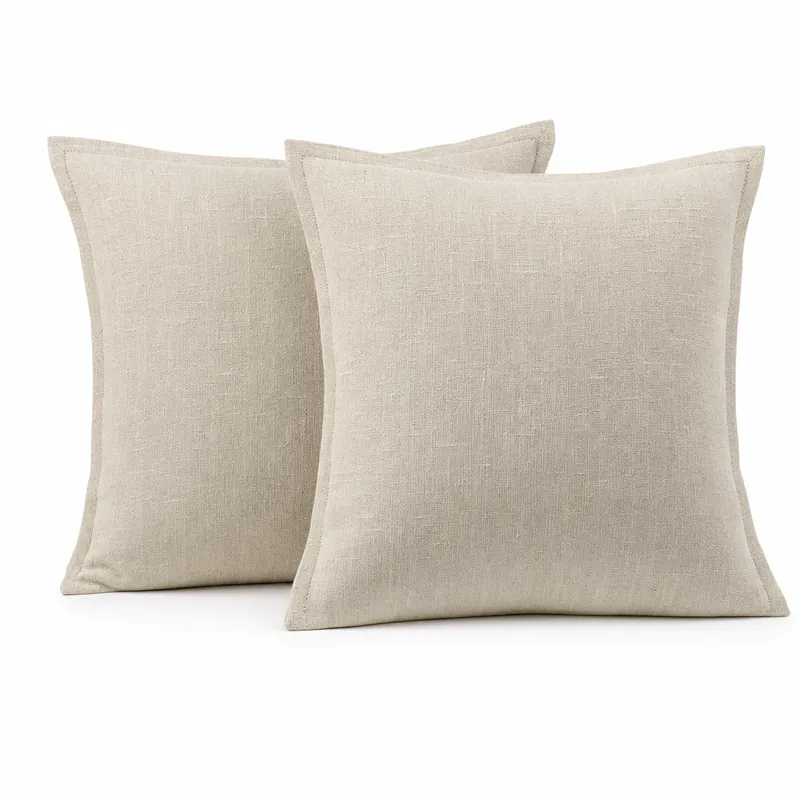
Best texture
Small budget: natural-fiber texture in oatmeal and beige.
See it on amazon.com*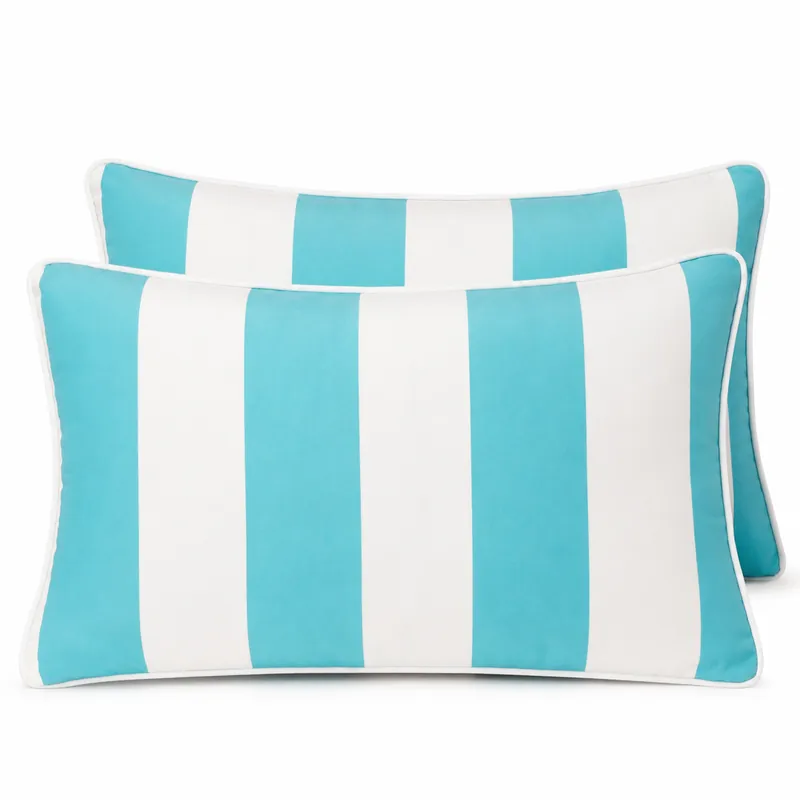
Best stripes
Small budget: one cabana stripe to sharpen a pile of solid pillows.
See it on amazon.com*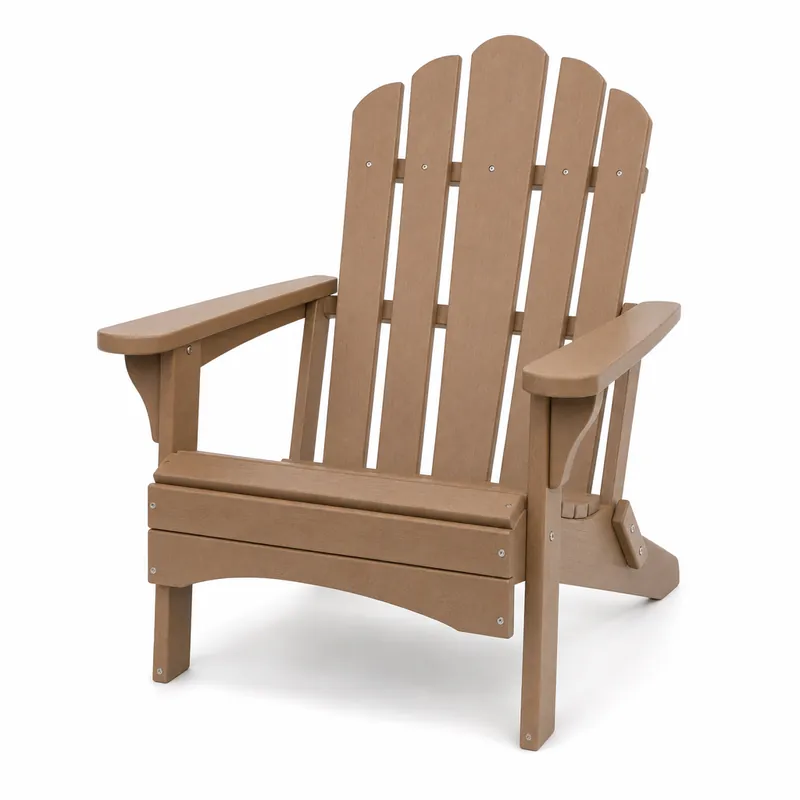
Best overall
Large budget: an Adirondack that can stay outside by the sea for years.
See it on amazon.com*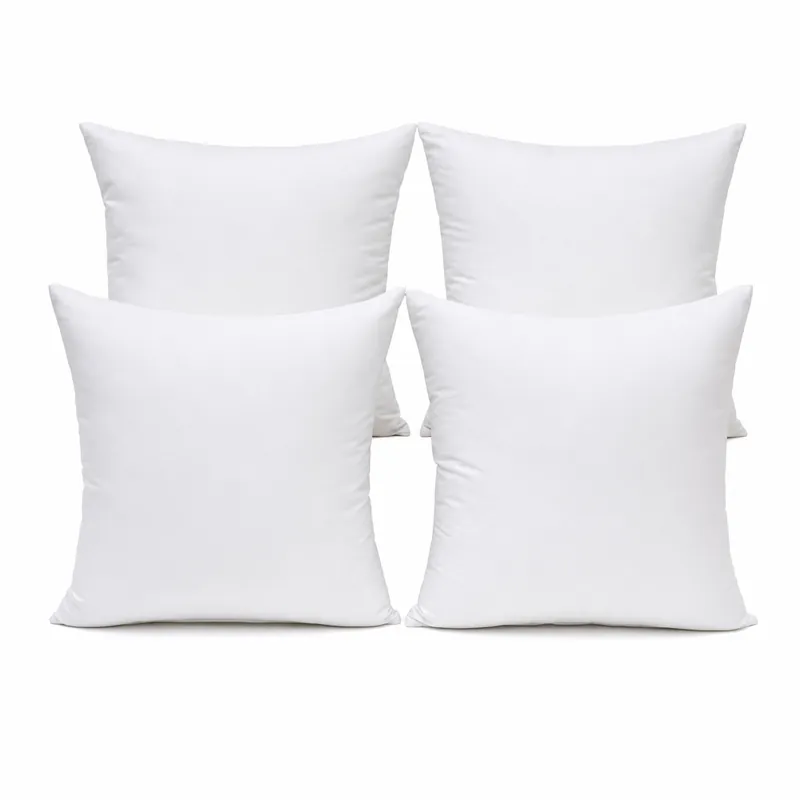
Best inserts
Fill for covers that come without inserts.
See it on amazon.com*Coastal grandmother is softer and more traditional – florals, cozy layers, a touch of nostalgia. Modern coastal is cleaner, with fewer patterns, more texture and simpler furniture.
Warm whites, sand and greige, pale blue and sea-glass green, with black or navy as a sharp accent.
Yes. It is about light, natural materials and calm color, not about an ocean view.
Change the textiles first: pillow covers, a throw and a light rug. Then swap one lamp shade for a woven one and put away anything themed. The pillow guide is a good place to start.
This is a style guide, not a product test. The advice on palette and materials is based on how these materials look, wear and weather. The products come from our buying guides, where we compare manufacturer pages and store listings; we have not used them ourselves, and each one appears only where your country's Amazon store sells it.
Our pick: MIULEE Linen-Look Covers
Check price*