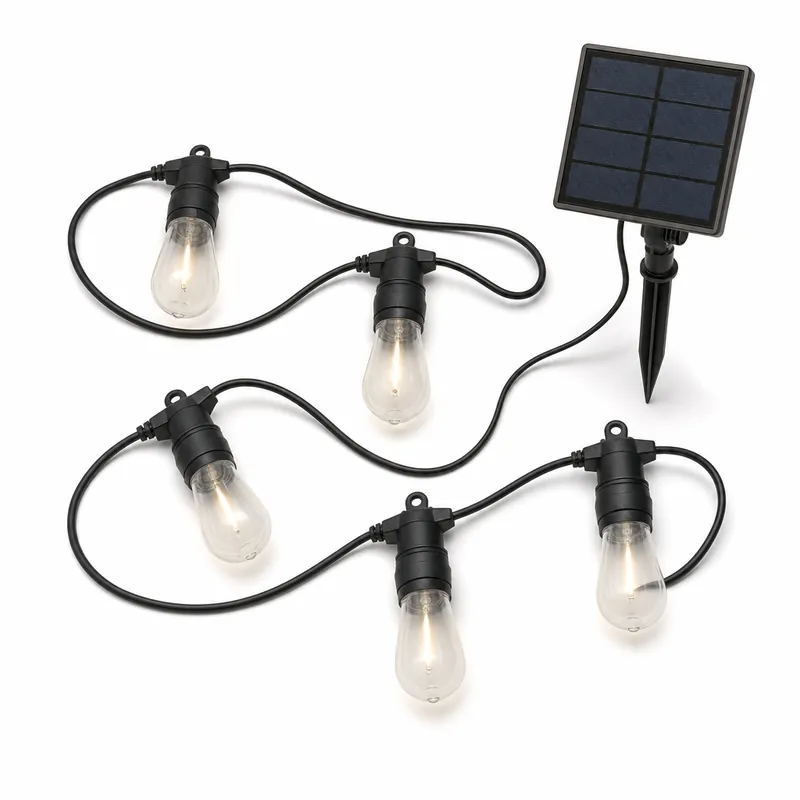
Best string lights
Brightech Ambience Pro
Warm-white solar string lights for a patio without an outlet.
See it on amazon.com*Ideas
A coastal patio should feel like an extension of the beach: light underfoot, easy to clean and comfortable from morning coffee to the last glass of wine. These twelve ideas focus on materials that survive salt air and the details that make an outdoor space feel finished.
Start with a light sand-and-sea palette and materials that like salt air – teak, powder-coated aluminum, recycled-plastic lumber and stone. Then add what turns a patio into a room: an outdoor rug, shade for midday, a smokeless fire pit and string lights for the evening, and a deck box so it all stays tidy.
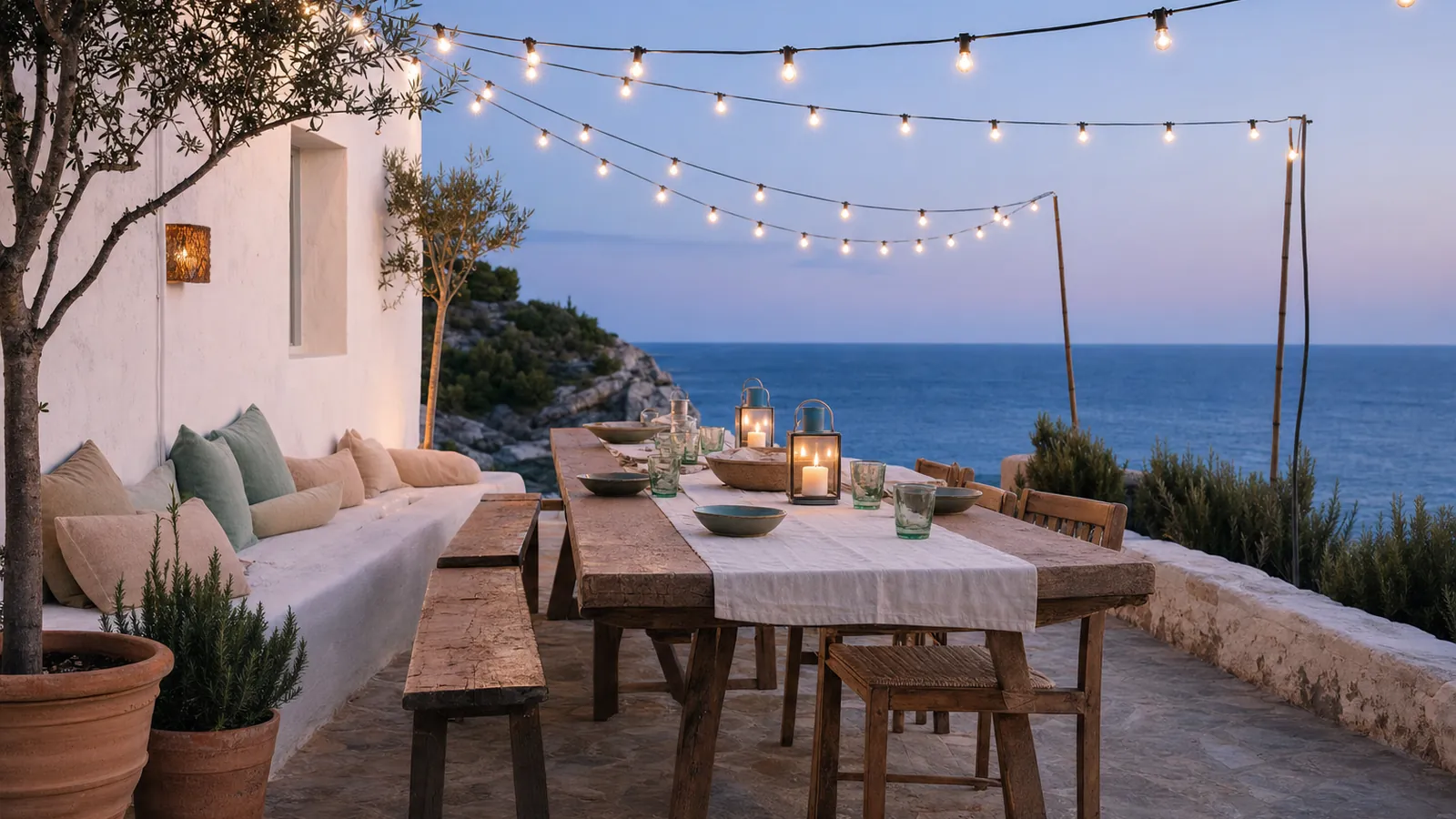
Take the colors from the view: sand, chalk white, driftwood gray, a little sea-glass green or deep navy. Keep the large surfaces – floor, walls, big cushions – light and quiet, and save stronger blue or terracotta for pots and a few pillows. Light surfaces also stay cooler underfoot in full sun than dark ones. The Mediterranean version is whitewashed walls, terracotta pots and a painted door; a modern coastal patio uses the same idea with fewer, larger pieces. Our modern coastal style guide covers the palette in more detail.
Salt air finds every weak spot. Teak, powder-coated aluminum and recycled-plastic lumber handle it well; bare steel rusts, and even wrought iron needs a good coating. For screws and hinges, 316 (A4) marine-grade stainless steel resists salt better than ordinary 304 (A2, often sold as 18-8). Underfoot, light stone, concrete pavers and composite decking are easy to sweep free of sand. Rinse everything with fresh water now and then, and the furniture will look right for years. The teak guide explains how to care for the wood and whether to let it go silver.
A rug is what makes a group of chairs look like a living room. Choose a flat-woven polypropylene or recycled-plastic rug: it dries quickly, sand shakes out of it and you can hose it down. Sand, cream or a soft stripe keeps it calm. Size it so at least the front legs of the sofa and chairs stand on it, lift it off the ground when it rains for days, and roll it up for winter so the stone underneath can dry.
A fire turns a sunset drink into a whole evening. A smokeless pit like the Solo Stove Bonfire 2.0, about 19.5 inches across, suits a circle of four to six chairs and keeps the smoke out of people's eyes once it is hot. Put it on stone or on the maker's stand, away from railings, hedges and umbrellas, and place the seats so the wind carries sparks away from the house. Our smokeless fire pit guide compares sizes and fuels, and the espeto method shows how to cook sardines over the embers.
Use a fire pit outdoors only, never under a roof, awning or umbrella, because smoke and gas flames produce carbon monoxide. Keep it on a stable, non-flammable surface, well clear of the house, railings, hedges and cushions, and follow the clearances in the manual. Never leave a fire unattended, keep children and pets back, and have water, a hose or an extinguisher within reach. Let ash cool completely before you empty it. Many towns and most beaches have rules on open fires, and dry, windy weather can bring outright bans – check them before you light up.
String lights do for a patio what a ceiling lamp does for a room. Hang them high enough to walk under, in a zigzag between the house and a post or across a pergola, and choose warm white – around 2700K, like the Brightech Ambience Pro – rather than cool blue light. Solar strands solve the problem of a patio without an outlet. Add a few lanterns with LED candles on the table and steps; real candles blow out or tip over in sea wind.
Shade comes first on a sunny patio – without it, the space stays empty from noon to five. A cantilever umbrella shades a dining table without a pole in the middle; a market umbrella is simpler and cheaper. A shade sail covers more ground for less money, but it needs strong fixing points and should come down before storms. A pergola with slats, climbing plants or a retractable canvas is the long-term answer. On Spanish terraces the classic is the toldo, a retractable awning off the house wall that rolls out at midday and back at dusk.
The best coastal terraces are built around a table. A long, simple one in teak or aluminum with benches on one side seats more people than you expect, and benches slide out of the way when the table is not in use. Leave room to walk behind the chairs. The Spanish have a word for staying at the table long after the meal: sobremesa. Plan the patio for it, and keep the menu easy – our easy Mediterranean meals are made for it.
Plants that grow by the sea tend to have small, tough or silver leaves. Olive trees, rosemary, lavender and ornamental grasses handle sun, wind and salt better than soft-leaved plants, and grasses add movement on a breezy evening. Use large, heavy pots – terracotta or stone – so they do not tip in wind, and group them to make a windbreak along the exposed side. Choose varieties for your climate: in cold regions, potted olives need shelter in winter.
A hammock gives a patio a place for the afternoon. If you have no trees in the right spot, a hammock with its own stand – such as the Vivere double cotton hammock on a 9-foot steel stand – can move with the shade through the season. Cotton is soft and breathable but should come inside when rain is due; polyester and acrylic hammocks can stay out longer. Put the hammock where you can see the water, not where people walk.
Cushions make outdoor furniture comfortable enough for a whole evening. Look for outdoor fabrics in solution-dyed acrylic or olefin, which resist fading and dry quickly, with quick-dry foam inside. Linen, oat, sand and a little navy or sea green keep the palette calm; one striped pillow per seat is enough pattern. Bring cushions in or store them dry overnight and they will last far longer. The coastal throw pillows guide has covers that work inside and out.
Towels, cushions, pool toys and the cover for the grill have to go somewhere. A deck box keeps them dry and out of sight, and a sturdy lid doubles as extra seating. The Keter Westwood holds 150 gallons (570 liters), seats two adults and can be locked. Open it on dry days to air it out, and wipe the cushions dry before they go in.
Every idea here works at a smaller scale. Choose two folding chairs and a small table, a rug that fits the floor exactly, railing planters with rosemary or lavender, and one strand of solar string lights. Skip the open fire: many buildings and local rules do not allow fire pits on balconies, so LED lanterns take its place. Keep weight in mind on older balconies, and fix anything light – cushions, planters, an umbrella – against the wind.
You do not need to buy everything at once. These three steps build on each other, and the pieces from the first step stay useful in the third.
The cards below show the pieces from these lists that are sold in your country's Amazon store. For furniture and indoor style, continue to Coastal Furniture; for more outdoor guides, see Outdoor Living and the beach chairs with shade.
Matching products
Pieces from the three budgets above, from string lights to a heavy-duty fire pit.
Best string lights
Warm-white solar string lights for a patio without an outlet.
See it on amazon.com*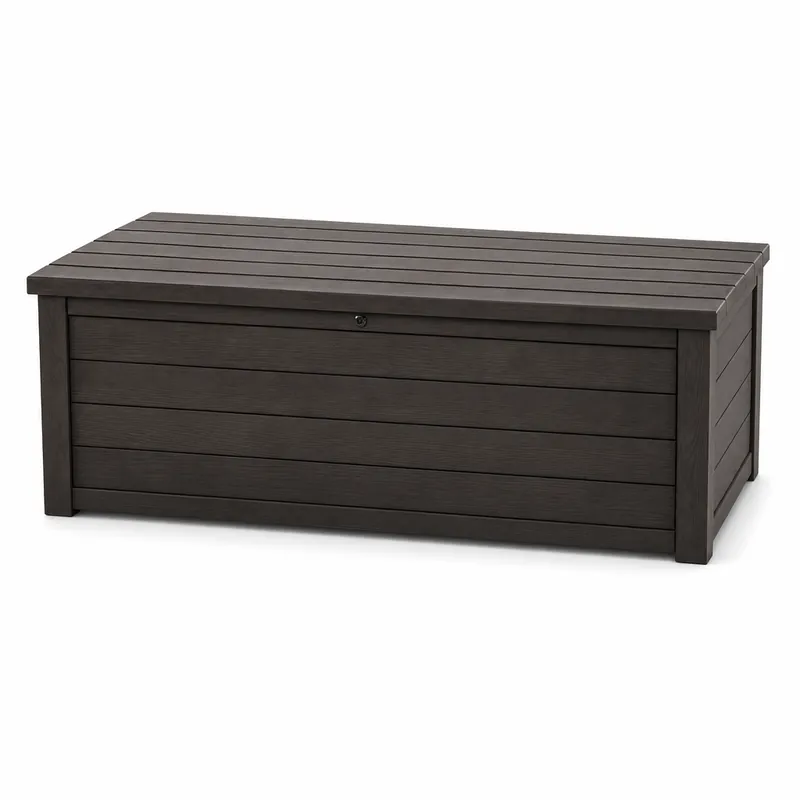
Best deck box
Dry storage for cushions and towels, with a lid that seats two.
See it on amazon.com*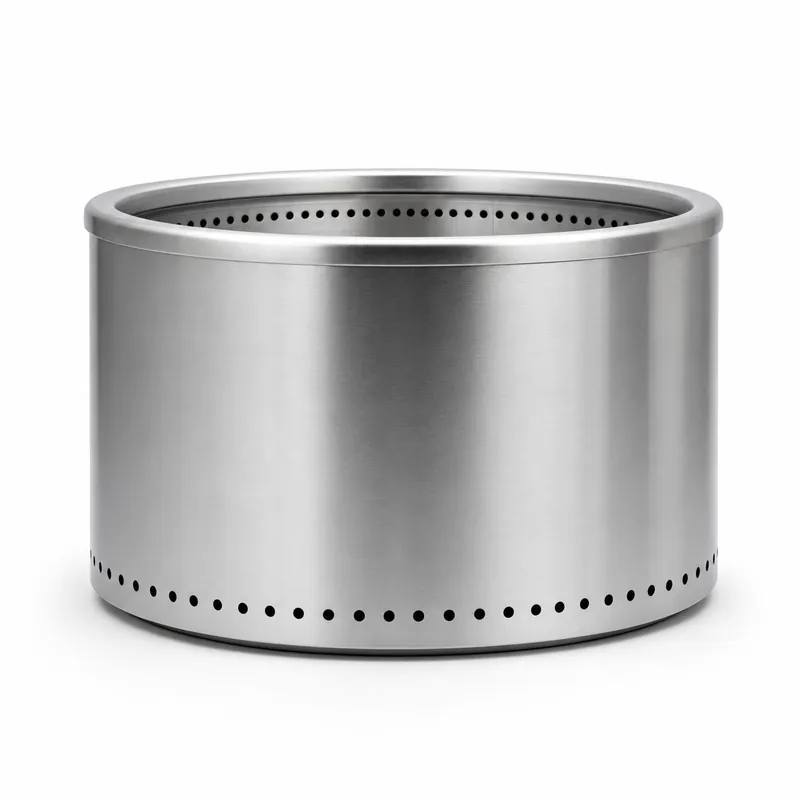
Best overall
The fire pit for a circle of four to six chairs, with low smoke once it is hot.
See it on amazon.com*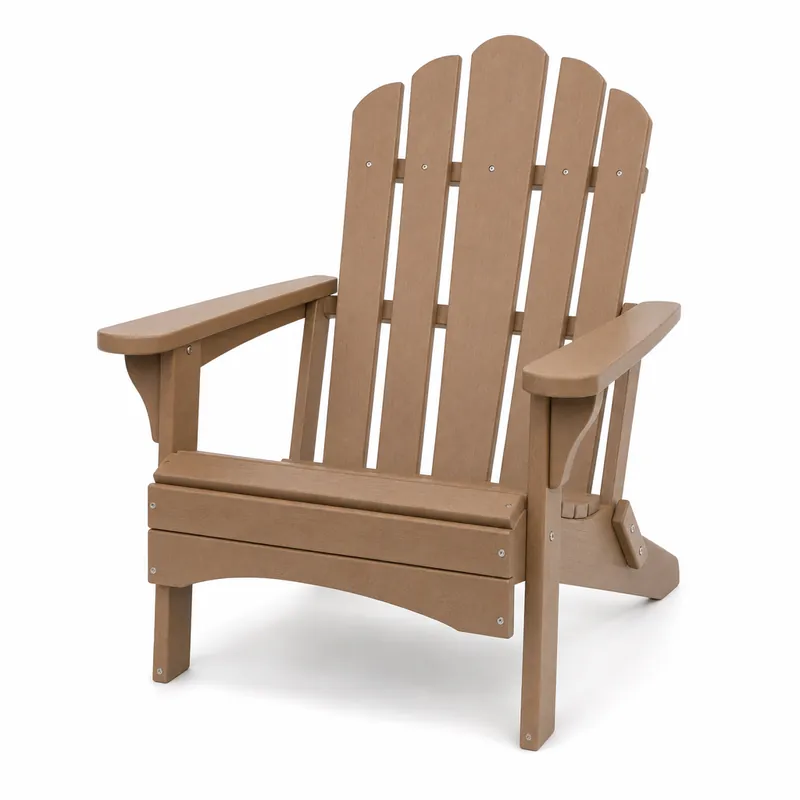
Best overall
A recycled-plastic lounge chair that can stay out in salt air.
See it on amazon.com*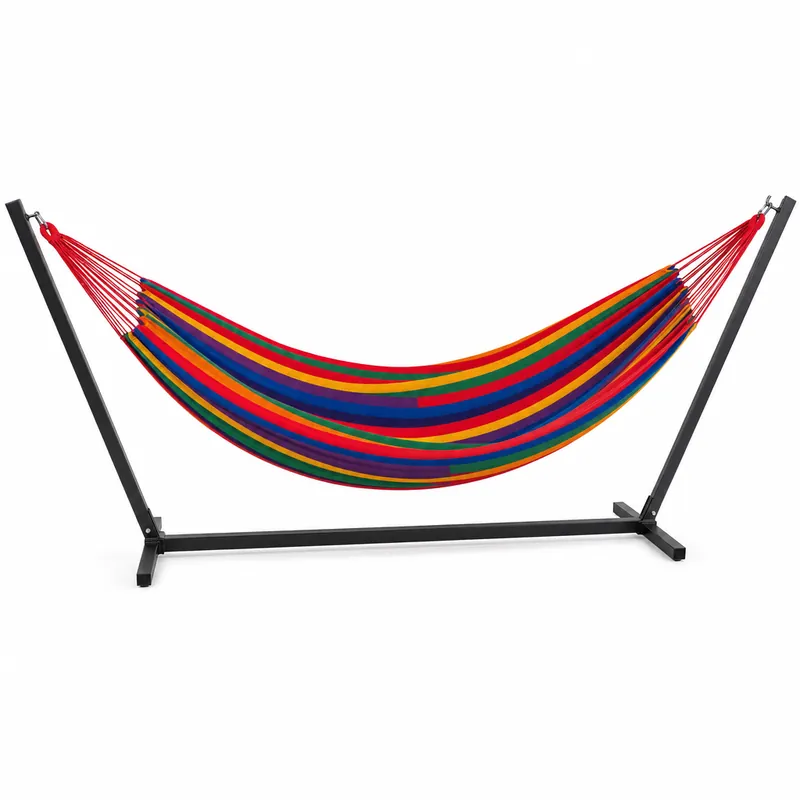
Best hammock
A hammock on its own stand that moves with the shade.
See it on amazon.com*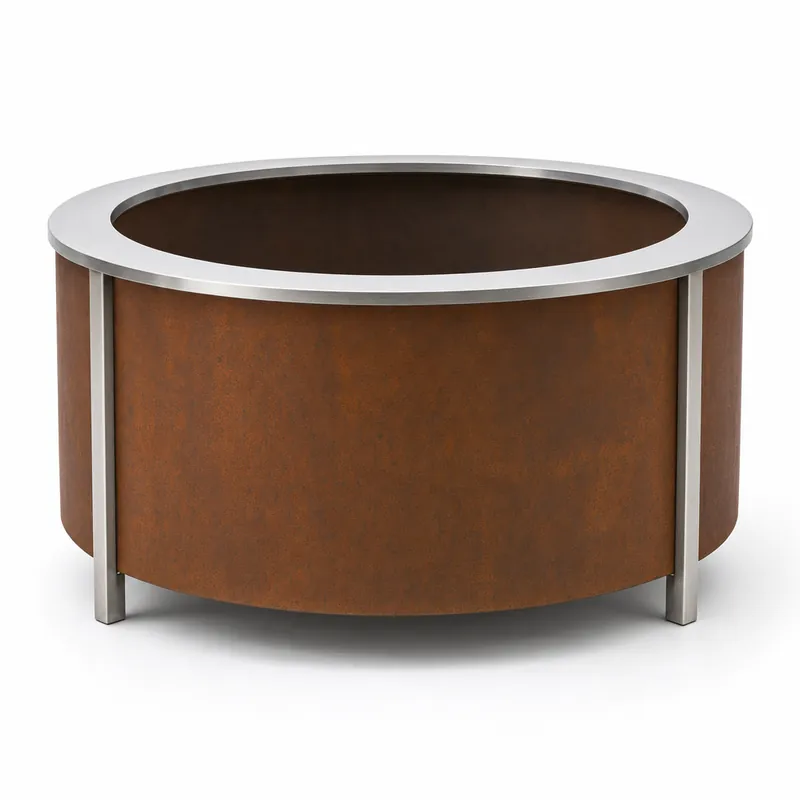
Best heavy-duty
Heavy US-made steel for a big backyard circle; its weathering steel is best kept back from salt spray.
See it on amazon.com*Light colors, natural textures and weather-proof furniture arranged for long, relaxed use – more terrace by the sea than themed beach decor. Think stone, teak, linen tones and plants that like wind.
Light stone or concrete pavers, travertine and composite decking. They stay cooler underfoot than dark surfaces and are easy to sweep free of sand.
Rinse it with fresh water every few weeks, cover it or store it in winter, and choose stainless-steel hardware – 316 marine-grade where you can. Teak, powder-coated aluminum and recycled plastic need the least care.
Usually not: many buildings and local fire rules forbid open fires on balconies. Use LED lanterns instead, and save the fire pit for a ground-level patio with clear space around it.
The ideas are based on how outdoor materials behave in sun, salt and wind and on the way terraces are built around the Mediterranean. Product details come from the makers and retailers linked in each card. We have not used these products ourselves. We earn a commission on purchases made through our links; it does not change which products we show.
Our pick: Brightech Ambience Pro
Check price*